Posted on Leave a comment

Riding with Two Reins – the Foundation of Correct Communication

It is very common to see riders being taught to turn their horse by simply “pulling the left or right rein.”
However, riding with two reins is the very foundation of correct riding.

If your horse reacts to the shortening of one rein by turning in that direction, how will you later explain what flexion is? Flexion is also achieved by taking up a rein. As a result, movements such as leg-yield, shoulder-in, and other lateral work will remain unavailable to you — or you will end up pulling on your horse’s mouth, trying to drag it into the desired direction with a bent neck while nudging its side with your heel. (We’ll talk more about this when we discuss flexion.)

And what about turns with counter-flexion? What will you do then?
Remember, our goal is to achieve light, almost invisible aids and refined communication.


What Happens When You Pull on One Rein

Let’s look at what actually happens when you pull your horse with one rein.

  1. You block the movement of the shoulder.
    By pulling the rein, you bring the horse’s shoulder backward — while the horse itself is moving forward. This immediately disrupts the rhythm.

  2. The horse turns on the forehand instead of through the body.
    The hindquarters swing out, the haunches lag behind, and at faster gaits the horse may even lose balance and fall to the side.
    In a correct turn, the horse should bend through its body and bring the inside hind leg underneath the body to maintain balance and unity of movement.

  3. You lose the possibility of correct flexion and contact.
    All those important exercises we mentioned become impossible to perform correctly.

So how do we tell the horse that we want to turn, if not by using our hands?


A Simple Left Turn (Without Flexion)

Let’s analyze a simple left turn without asking for flexion.

You’re riding in a straight line, with even contact on both reins.
These two reins, applying equal pressure to the corners of the horse’s mouth, create a “corridor” through which you ride your horse forward.

To turn, all you need to do is shift the corridor.

You turn your torso — keeping your shoulders parallel to the horse’s shoulders — but without increasing pressure on either rein.
Your arms follow your body naturally to the left, remaining soft and passive; you do not pull the inside rein.

The inside (left) leg at the girth asks the horse to bend through its body,
while the outside (right) leg prevents the hindquarters from swinging out, ensuring that the haunches follow the shoulders.

You will feel the horse come more firmly into the outside (right) rein, but you don’t give it away — both hands remain steady, with quiet wrists.

And that’s all.


The Result

Your horse will now begin to listen to your body, not just your hands.
It will stop turning in response to rein pressure alone, and you can confidently move on to working on flexion and more advanced lateral exercises.

Posted on Leave a comment

Eat the Dust – a social film

The main characters of the short film, which calls us to approach every choice in our life more consciously, including the choice of items of our own wardrobe – giving preference to ecologically clean ones produced without violence and testing on animals, were LAYAH, a long-time vegetarian and the main vegan of the country – Rudolph Kraevsky, who is the ideologist and founder of the Vegano Hooligano Family.

Posted on Leave a comment

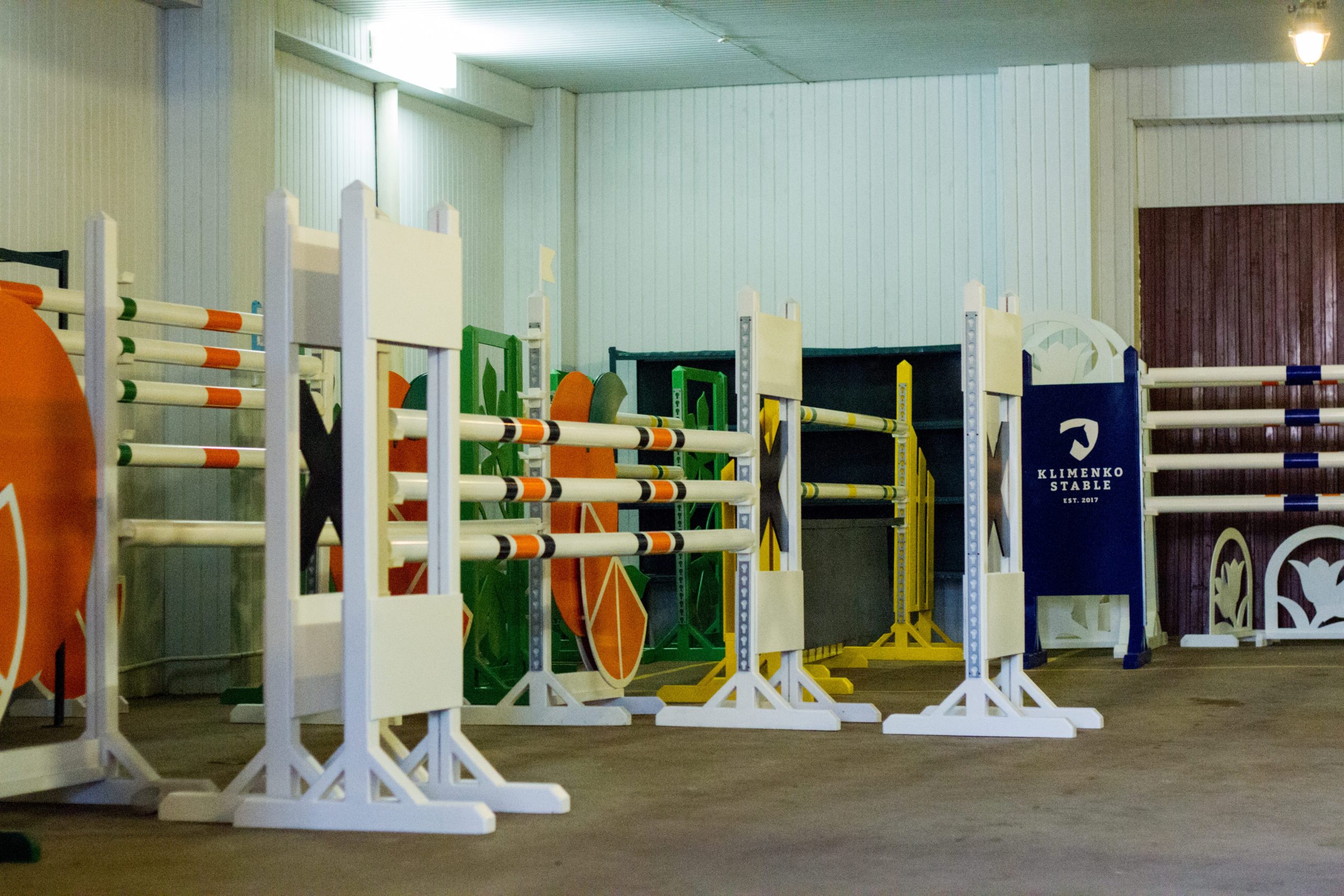
Production of Professional Show Jumping Obstacles

We offer a wide selection of show jumping obstacles for sale — from training sets to Grand Prix–level tournament courses!
We manufacture obstacles of any complexity, design custom layouts, and create bright, eye-catching promotional fences.

Obstacles are available in stock or made to order. You can purchase complete sets or individual elements (stands, wings, and safety poles).

For more details, visit the “Stable Equipment” section.

Posted on Leave a comment

Preparing for Equestrian Competitions: Practical Tips

Participating in tournaments is not only about demonstrating skill but also about testing discipline, attention to detail, and the level of readiness of both rider and horse. To perform confidently and with dignity, it’s important to prepare every piece of equipment in advance. No small detail should distract you from the main goal — harmonious and effective work with your horse in the arena or on the course.


Rider’s Competition Outfit: The Essential Minimum

As a coach, I advise my students to prepare their basic set well in advance — not the day before the start, but at least a week ahead. This allows time to test everything during training and make replacements or adjustments if needed. Ideally, every item should be tried in action.

1. White Breeches

White breeches are the standard for dressage, show jumping, and eventing. Choose models with an anatomical cut, high waist, and reinforced knee areas. They should be comfortable, non-chafing, and allow full freedom of movement.

2. Shirt or Show Blouse

The best choice is a model with a stand-up collar and short sleeves — breathable, quick-drying, and wrinkle-resistant. White remains the classic color that emphasizes posture and complies with tournament dress codes.

3. Stock Tie or Tie

A required element for dressage. It completes the look, adds neatness, and underlines a professional attitude. The stock tie should be neatly fastened and can be complemented with a pin or brooch.

4. Riding Jacket (Show Coat)

The show coat is the rider’s calling card. It must fit perfectly, not restrict movement, and match the competition style. Dark tones are traditional for dressage; some color variations are allowed in show jumping. The key principles are restraint, neatness, and comfort.

5. Helmet

No compromises here. The helmet must be safety-certified, fit perfectly, and be in good condition. Always check the straps, inner lining, and shell for damage before use.

6. Gloves

Choose gloves that provide sensitive contact with the reins. They shouldn’t slip or restrict finger movement. Black gloves are universal; white ones are more common in dressage.

7. Hair Accessories

For riders with long hair, a hairnet or clip is a must. It’s not only about appearance but also safety, preventing any distractions during the performance.

8. Spur Straps

If you use spurs, the straps should be secure, well-fitted, and non-chafing. Quality leather and durable fittings are a mark of professionalism.

9. Sports Underwear

Proper underwear is crucial for comfort. A seamless top that allows easy breathing, doesn’t press or restrict movement, helps maintain good posture and confidence during your ride.


Organizing Your Gear: A Professional Approach

I recommend preparing two separate packing options:

  • A garment bag for your show clothes — jacket, breeches, and shirt — to keep them clean and wrinkle-free.

  • A functional sports bag for everything else: helmet, gloves, spurs, spare shirt, hygiene items, and personal belongings.

It’s also helpful to make a checklist — even experienced riders sometimes forget small things like gloves or spurs due to pre-show nerves.


Conclusion

Preparing for a competition is not only physical work but also an organizational process. A clear system and attention to detail are key to calmness before the start and focus during the performance. Remember: a well-prepared kit is the first step toward a successful result.

If you need a personalized consultation on equipment selection or gear inspection before your start, feel free to reach out.

Posted on

Horse Leasing: Owner vs. Lessee — Who Really Benefits?

Let’s look at the most common scenarios of how cooperation between a horse owner and a lessee usually works — and what it looks like from both sides.
The Owner’s Perspective

At first, this person may have been just a regular rider or enthusiast who learned to ride and decided to try themselves in sport. Acting thoughtfully — often on their trainer’s advice — they realize that real progress requires having their own horse. Eventually, they buy one — young or experienced — their new four-legged friend.
The joy is boundless: they buy the best for the horse, care for it lovingly, and it quickly becomes part of the family. New responsibilities follow — finding the right stable, choosing a saddle, planning the competition season. But challenges arise too: lack of good veterinarians, feed or bedding issues, rising stable costs, misunderstandings with trainers or grooms. When the horse suddenly gets sick, the owner has to become a “junior vet,” holding the IV in one hand and the phone in the other if no help is nearby. They learn to recognize good shoeing, the cost of treating tendons, what good footing means, and who can be trusted with training — doing everything possible to keep their horse well. Then comes the “day X.”
Financial difficulties, business trips, studies, or personal circumstances make the owner consider selling or leasing the horse. Leasing seems like a reasonable option: it eases the financial burden, maybe even brings some income while the horse continues to work. Tournament results can increase the horse’s value, and the lessee may become a potential buyer — an ideal scenario. But reality can be different. After active competition, the horse may return injured, and the lessee simply moves on to another horse. The owner ends up breaking even at best, or deep in debt from treatment costs. Sometimes the horse can no longer compete at all. A sick horse won’t sell — and financial stress comes together with emotional pain.

The Lessee’s Perspective

Most riders reach a point where they realize: to truly progress, they need a horse that trains exclusively with them — whether owned or leased. Many are afraid of the full responsibility that comes with ownership, so leasing seems like the better choice. You can stop anytime without worrying about selling or paying for costly treatment — that’s the owner’s problem. You can ride one horse today, another tomorrow, or even take a break and go on vacation. However, leasing has its downsides.
First, a top-quality horse is rarely available for lease — and if it is, it either has issues or costs so much that after a year, you could’ve bought your own.
Second, the owner may interfere — disagreeing with your trainer, your stable choice, or training routine — after all, it’s their property.
Third, no matter how much time and effort you invest, the owner can take the horse back at any moment. You may spend money and energy, only for the horse to be sold or leased to someone else. So who wins this game? Hard to say. The owner takes the bigger risks — financially and emotionally. A horse worth €20,000 yesterday may be worth nothing tomorrow.

If You Decide to Lease Out Your Horse

There are three main approaches:

Keep control and train the horse yourself. Then you have no one to blame but yourself if something goes wrong.

Lease only to people you fully trust — a trainer or close friends. But remember: if issues arise, even strong relationships can break.

The legally safe option: Sign a lease agreement stating that the lessee is financially responsible for the horse’s health and must return it in the same condition. If the lessee is responsible, there will be no problems. The contract should include compensation for veterinary treatment and payment for downtime while the horse cannot work. If the person refuses to sign — don’t lease the horse.

Remember: any transportation, intensive training, or simple mistake can lead even to a horse’s death. That’s why the contract must include an insurance amount equal to the horse’s full value. Without a contract, you’ll only face new problems. Ask yourself: is it worth it? Sometimes it’s better to sell the horse — painful as that may be — than to later regret your own carelessness.
For consultations:  +38093-00-33-998Telegram / WhatsApp
Posted on Leave a comment

1 Ukrainian breed horse arrived to the USA

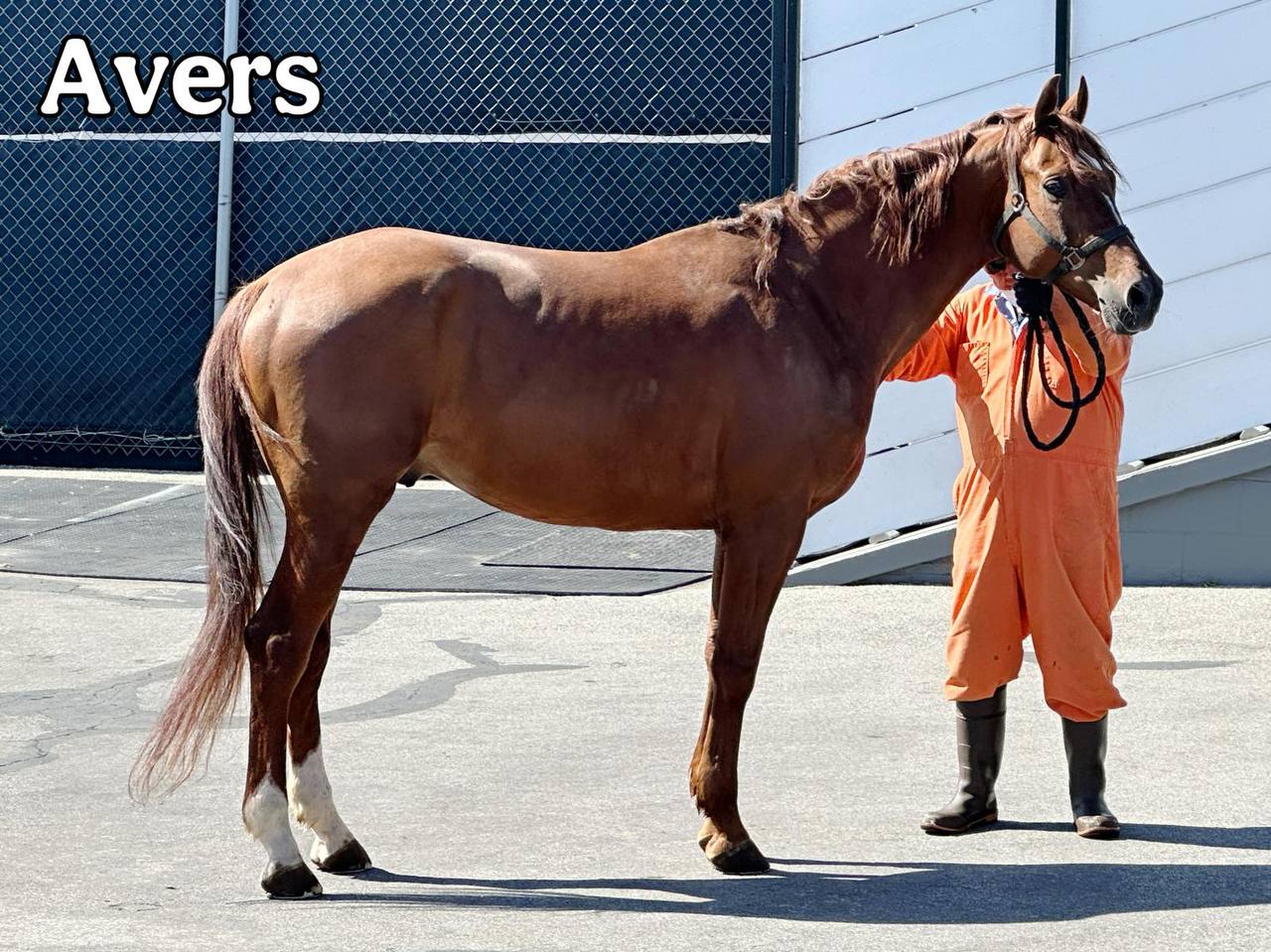
Look at this stunning fire red young boy whose life significantly changed during the last months. Just 5 years old stallion Avers (by Erbiy- Boryspil/Denard) was born at the state Dnipro studfarm No. 65 in Ukraine. After arrival to Kyiv he started to be educated in dressage direction. Having sometimes also jumping sessions, we had opportunity to develop from different sides. Having nice character, not spooky, willingness to cooperate with people he has bright future. Turning to gelding he was chosen to go the USA to his new owners to be as far as possible from the endless war.
Thankful again to our partner Rebecca for the stable and long lasting support of our project of promoting and giving better lives to Ukrainian horses
And in any case that wouldn’t not be possible without our veterinary and transportation partner
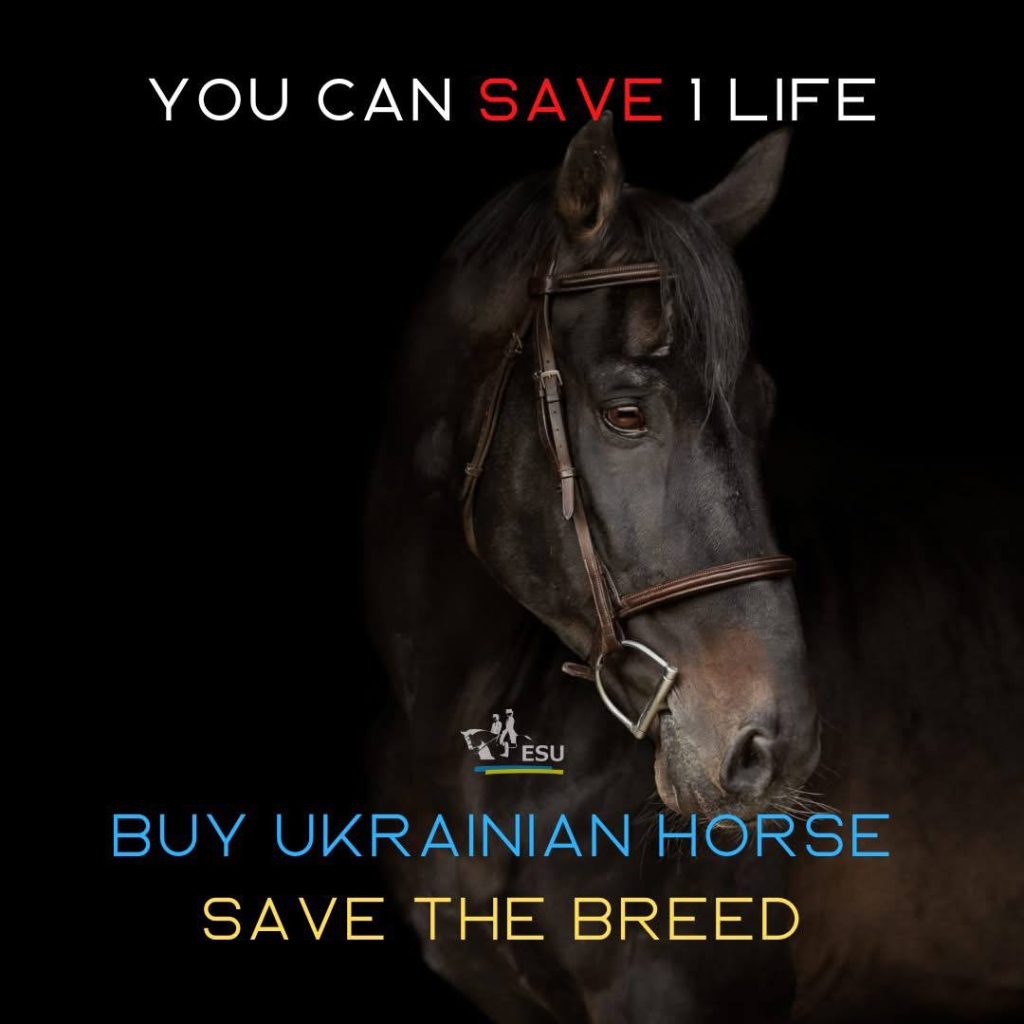
As you know, due to the Russian invasion in Ukraine we are launching a campaign dedicated to attracting all horse sellers abroad to sell horses of the Ukrainian riding breed, finding new save homes for them and in this way also to provide financial support for those horses who remain in Ukraine.
We are ready to offer you many options so that you can choose the best one for you.
You can write us a message through this page, sent letter on e-mail or write WhatsApp , Viber/Telegram
Everything will be Ukraine

Just 5 years old stallion Avers (by Erbiy- Boryspil/Denard) was born at the state Dnipro studfarm No. 65 in Ukraine.

Posted on Leave a comment

We’ve Already Received Our Trademark Registration Certificate — Have You Protected Your Intellectual Property Rights?

This topic is especially relevant for growing equestrian clubs, tack shops, manufacturers of equestrian products, and other active entrepreneurs.


Trademark Registration for Your Business

  • For legal entities and individuals

  • National and international registration

  • Consultations on introducing your trademark into commercial use

  • Trademark transfer and sale


Our partner:
Patent Attorney of Ukraine

Тел.: +38093-00-33-998, e-mail: esuhorses@gmail.com

Posted on Leave a comment

Комплексний захист ніг коня під час тренувань і виступів у конкурі

Захисні ногавки — базовий елемент безпеки

Захисні ногавки — це незамінний атрибут для забезпечення безпеки та здоров’я ніг коня під час інтенсивних тренувань і змагань з конкуру. Вони ефективно запобігають механічним пошкодженням і забезпечують стабільну підтримку зв’язок і сухожиль, знижуючи ризик травм. Сучасні моделі виготовляються з міцних матеріалів — жорсткого пластику з внутрішнім шаром із неопренової піни, гелю або якісного хутра, що забезпечує амортизацію та комфорт. Передні ногавки традиційно мають підвищену висоту, надійно закриваючи не лише зап’ястковий суглоб, а й ділянку п’ястка. Для задніх кінцівок форма і розмір мають підбиратися індивідуально, з урахуванням анатомічних особливостей коня та специфіки роботи.

Ефективне використання бинтів для підтримки сухожиль

Бинти — ключовий інструмент для додаткової підтримки сухожиль і зв’язок, особливо при виконанні технічно складних елементів виїздки та подоланні конкурних перешкод. Оптимальна довжина — від 3 до 5 метрів, із підбором матеріалу залежно від завдань:

  • Флісові бинти мають чудові зігрівальні властивості та щільно прилягають, не сповзають, що важливо під час тривалих тренувань.

  • Трикотажні бинти забезпечують надійну фіксацію, але потребують професійного накладання, аби не порушити кровообіг.

  • Комбіновані бинти поєднують комфорт і еластичність, забезпечуючи як делікатний зігрівальний ефект, так і стабільну підтримку.

Варто пам’ятати, що бинти не слід використовувати постійно, щоб уникнути ослаблення природної роботи зв’язок і м’язів.

Ватники — оптимальний проміжний шар

Використання ватників під бинти забезпечує рівномірний розподіл тиску і запобігає здавлюванню тканин, що особливо актуально при інтенсивних навантаженнях і стрибках. Вони сприяють ефективному прогріванню сухожиль, знижуючи ризик травм. Водночас тривале перебування у ватниках, особливо в умовах високої температури, протипоказане, щоб уникнути перегріву й дискомфорту для коня.

Кобури — надійний захист копит і вінчиків

Кобури, або «дзвіночки», виконують захисну функцію, оберігаючи копита і вінчики від пошкоджень, що можуть виникати при динамічних рухах і стрибках. Особливо важливі для коней з підковами, оскільки допомагають уникнути травм від зіткнення металу з твердими поверхнями. Правильно підібрані кобури щільно прилягають до ноги, повністю закривають вінчик і п’ятку, не зміщуються і не здавлюють надто сильно, зберігаючи комфорт і свободу рухів.

Ефективний захист ніг — основа довгої та успішної кар’єри в конкурі. Лише продумане поєднання надійних засобів і грамотне використання дозволить максимально знизити ризики травм і зберегти здоров’я вашого коня за будь-яких навантажень.

Posted on Leave a comment

Чемпионат Украины по выездке среди детей, юношей и юниоров

Чемпионат Украины среди детей, юношей и юниоров


Жашков встретил участников Чемпионата Украины дождливой погодой, но даже это не смогло испортить общего настроения.


Первый день соревнований начался с Предварительного приза. Дети.
Очень радостно видеть такое количество юных спортсменов, двадцать восемь пар.
Это указывает на развитие спорта в Украине.
В этом тесте победителем стала Карпенко Елизавета и Бакир ( КСК Магнат). Их стиль езды действительно очень отличался от других, создавалось впечатление, что выступает миниатюрный взрослый всадник. Легко, воздушно и гармонично. Елизавета показала правильную, красивую посадку, а её рыжий партнёр Бакир  беспрекословно выполнял команды юной всадницы. Очень радостно видеть, что в Украине есть такие талантливые, способные и перспективные дети.

Процент пары составил 64,967%


Второе место у представительницы Донецкой области, Областной СДЮСШОР по конному спорту, Кругликовой Софии и Гурбе -64,267%
И бронзовую медаль заработала всадница из Днепра, Белокриницкая Ева и Воланд – 63,767%

Командный приз юношей преподнес   очень много сюрпризов. Например, у явных лидеров Александры Потиенко и Дарьи Недавы лошади решили показать свой непростой характер и всячески пытались сорвать езду. Не можем при этом не отметить профессионализм юных всадниц, которые несмотря ни на что, боролись за каждый элемент и в критические моменты находили верное решение.


Победительницей стала Юлия Криворучко и её маленькая, но удаленькая Крумель. Юля-это пример того, как каждодневным трудом можно добиться высоких результатов. Их пара очень выросла в сравнении с прошлым годом, езда стала стабильней и чётче, видно, что Крумель настроена на сотрудничество с всадником. Процент чемпионов составил 66,838%


Второе место у Букреевой Ксении и Шопарда( Днепр) Очень яркая и гармоничная пара, лошадь с просторными, пластичными движениями. Процент пары – 65,081%


И третье место так же у представителя Днепра, Романа Балдина и его нового партнера Равелера, который ранее выступал под седлом МС Сафронковой Валерии по юниорским ездам. Незначительные проблемы с контактом не позволили Роману занять более высокую строчку, но техничность и грамотность помогли паре закончить своё выступление с результатом 64,946%.


В Командном зачёте места распределились следующим образом:
1. Днепропетровская область: Букреева Ксения, Пономаренко Лана, Боброва Анна.
2. Киевская область: Потиенко Александра, Волох Катерина, Недава Дарья.
3. Сумская область: Лемешева Елизавета, Францева София, Батраченко Елена.


Нашим юниорам предстояло выступать под дождём, но это их не останавливало.
В Командном призе золото выиграла представительница нашей Всеукраинской конной ассоциации, МС Валерия Сафронкова и Энрико, которые показали высокий результат – 69,105%
Серебряная медаль так же у Валерии Сафронковой и её Бенилюкса -64,237%. Напомним, что совсем недавно Валерия перешла тренироваться к МСМК Оксане Гусаровой, отрадно видеть, что тренер и всадник сработались и результат не заставил себя ждать.


Третье место у дебютантки в категории юниоры, Карины Додатко и Шерлока, которые так же недавно начали тренироваться с Кариной Пилипенко. И мы желаем их команде побед. Процент пары: 61,553%


В командном первенстве места распределились так:
1. Киевская область: Сафронкова Валерия, Карина Додатко, Матвиенко Галина.
2. Днепропетровская область: Пругло Анна, Шарапанюк Кристина, Рудер Анастасия.
3. Город Киев: Горобец Алёна, Игумнова Александра.


В субботу соревнования начались так же с детей. В командном первенстве первое место у Киевской области: Аглоткова Анна, Карпенко Елизавета, Онопенко София.
Второе место команда Днепропетровской области в составе: Константиновской Софии, Коновалова Данила и Стадник Анастасии.
И бронза у города Киева: Адаменко Капитолина, Кривкин Анатолий, Иващенко Дарья.


В личном зачёте победительницей стала Карпенко Елизавета и Бакир. Пара очень чисто и гармонично выполнила программу и это было оценено в 65,367%

Второе место у Кругликовой Софии и Гурбе – 63,467%

Юный представитель Днепропетровской области Никита Глухой и изящная Свит Мелоди выиграли бронзу – 63,467%

 
В юношеском Личном призе победительницей стала Юлия Криворучко и её молодая подопечная Крумель. Юля выиграла тест с высоким результатом – 68,421%


Реабилитировался явный лидер среди юношей Дарья Недава и Лангро – 65,632%

И третье место у Волох Катерины и Челленджера – 64,842%


Хочется немножко рассказать о Александре Потиенко и Дакаре. Саша стала примером того, как не смотря на сложные, непредвиденные ситуации во время езды нужно продолжать работать и бороться за каждый элемент. В Александре есть очень важное качество- целеустремленность. Она – боец, как бы Дакар не пытался показать свой норов, продолжала выступление, думая при этом, что можно сделать.


У юниоров первые два места остались неизменными. Золото и серебро уверенно удерживала Валерия Сафронкова и её прекрасные партеры, при этом имея приличный разрыв с третьим местом.
А вот бронза в Личном призе досталась представительнице КСК “Динамо” Алене Горобец и Авалону. Пара очень выросла с прошлого года и показали достойную езду, что и было отмечено судьями.

 
Эти соревнования пролетели на одном дыхании и вроде бы совсем недавно приехали, а вот уже и воскресенье.


Открывать заключительный день по традиции выпало самым маленьким.
В Личном призе в тройке произошли изменения.
Золото выиграла Онопенко София и Эль Байландо. Ещё на тренировке перед выступлением мы отметили для себя перспективность этой пары. Изящная София и огромный Эль Байландо вместе создают удивительный тандем.
Пара выиграла с процентом 64, 406


Серебряной медалисткой стала Карпенко Елизавета – 64,188%


И третье место: Данил Коновалов – 63,406%. Радостно видеть, что похоже появилась новая династия чемпионов. Напомним, что совсем недавно мама Данила, Максименко Вера, выиграла международный турнир в Ратомке ( Беларусь).


По сумме трёх дней чемпионкой Украины стала Карпенко Елизавета!  От всей души поздравляем юную всадницу, тренера и родителей с таким успешным выступлением и желаем в дальнейшем только побед.


Серебряным призёром стали Кругликова София и Гурбе. Приятно видеть, что спорт в Донецкой области развивается и юные спортсмены показывают такие высокие результаты.

И бронза у Данила Коновалова и его прекрасного Элеганта.


В КЮРе юношеских езд первое место так же у Юлии Криворучко и Крумель. Легкое, энергичное и яркое выступление позволило паре получить 71,235%, что является их личным рекордом.


Очень порадовала Александра Потиенко, которая не смотря на первые два дня, своей силой духа буквально смела конкурентов и высоким процентом в КЮРе перекрыла результат двух дней. Совсем немного не хватило Саше и Дакару для победы во Фристайле, их процент составил 71, 035%


И третье место у Дарьи Недавы и Лангро – 66,670%


Абсолютной чемпионкой Украины среди юношей стала представительница Жашковского конного завода Юлия Криворучко.

Втрое место у Александры Потиенко и её Дакара.

Третье место – Недава Дарья и Лангро.


Девочки действительно очень старались и показали высокие результаты. Поздравляем чемпионку и призеров, а также тренеров, родителей и команды.

 
В юниорском КЮРе, как предыдущие два дня лидером была Валерия Сафронкова и Энрико – 69,245%. Серебро всадница заработала в паре с Бенилюксом. Хочется отметить, что фристайл на последнем- это импровизация. Но тем не менее всадница справилась со своей задачей и завершила тест с результатом 63,470%


Третье место у воспитанницы Олимпийского чемпиона Юрия Ковшова, Галины Матвиенко, которая выступала на Фрагменте. 62,470%

 
По сумме трёх дней абсолютной чемпионкой Украины среди юниоров стала ученица Оксаны Гусаровой, мастер спорта Валерия Сафронкова на коне Энрико, которая представляла команду Всеукраинской конной ассоциации и КСК “Святозар”.
В паре с Бенилюксом Валерия занимала вторую позицию все три дня. Оставив возможность конкурентам побороться только за бронзу.

Третье  место досталось КМС Галине Мативенко (КСК “Олимп”), ученицы Олимпийского чемпиона Юрия Ковшова.


Поздравляем девушек с достойным выступлением!


И в завершении хотелось бы ответить на вопрос, который задавался на протяжении всего Чемпионата Украины.

Почему же Валерия Сафронкова выступала ещё и на коне своего тренера Оксаны Гусаровой, Энрико? Нет, это не из-за неуверенности в Бенилюксе, ответ гораздо более банален. За день до Чемпионата  Украины основной конь всадницы, Бенилюкс, засёк ногу гуляя в леваде. И не смотря на заверения ветеринарного врача и общее состояние раны тренер и всадница приняли решение не участвовать в турнире если заметят хотя бы малейшую жалобу лошади на ногу. В качестве резерва Оксана предложила Энрико. Когда команда приехала в Жашков, то Бенилюкс чувствовал себя хорошо и рана выглядела приемлемо, поэтому пройдя ветеринарную выводку было принято решение участвовать на двоих. Все три дня всадница не показывала весь потенциал Бенилюкса, так как целесообразно было его поберечь.  Почему выступали? Потому что спортсмены.


Мы поздравляем представительницу нашей команды с достойным выступлением и желаем дальнейших побед, а так же ещё раз поздравляем чемпионов и призеров Чемпионата Украины!